Wondering how to design packaging and gift boxes that actually wow your online customers? This complete 2026 guide breaks down the exact steps, specs, and unboxing psychology you need to turn a simple delivery into a memorable brand experience.
Why Your Ecommerce Unboxing Design Actually Matters
Look, we’ve been running a 37-year ISO 9001 and FSC-certified packaging factory for a long time. We've seen thousands of designs cross our production floor. And frankly, about 70% of the initial files we receive need major tweaks before they can actually go to press. Why? Because designing for physical packaging is a completely different beast than designing for a screen.
Here’s what nobody tells you about ecommerce unboxing: the box itself does 80% of the heavy lifting before the customer even sees the product. Last month, a D2C cosmetics client told us their user-generated content spiked by 40% just by adding a custom printed interior to their custom mailer boxes. It’s not just about looking pretty. It’s about retention.
The Step-by-Step Design Process
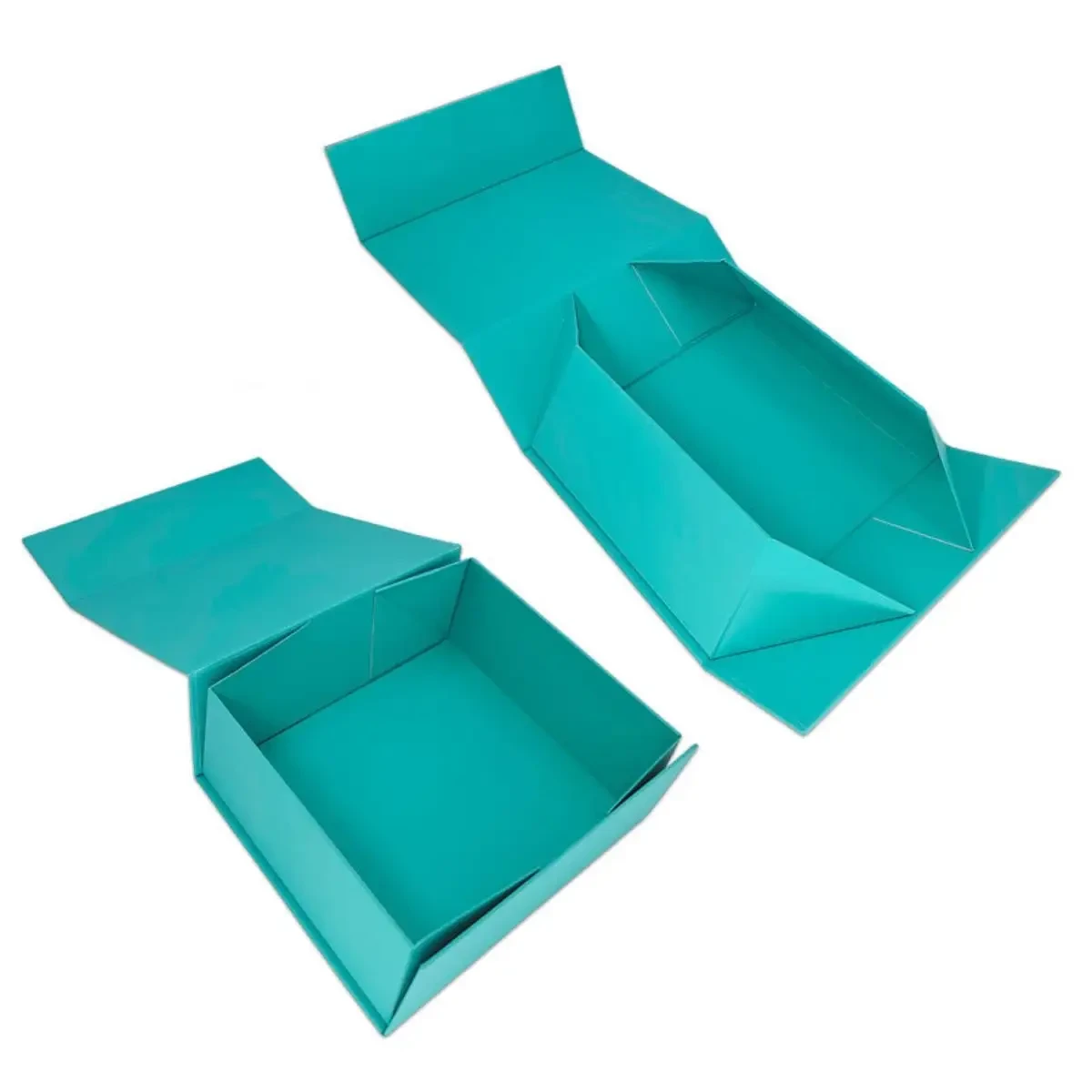
You might be wondering what makes a design "good" for unboxing. It’s about pacing. Think of it like a movie. The exterior builds anticipation. The interior reveals the plot. When you're designing custom gift boxes for an online brand, you need to map out the customer's journey.
Step 1: Nail down the dieline first. Don't design in a vacuum. Get the exact structural dieline from your manufacturer. If you guess the dimensions, your product will rattle around or not fit at all.
Step 2: Pick your board weight. This is where people get stuck. Generally speaking, 350gsm coated paper works for folding cartons. But if you want that premium, heavy feel for a luxury unboxing, you're looking at 1200gsm to 1500gsm greyboard wrapped in 157gsm art paper for rigid packaging boxes.
Step 3: Typography and layout. Keep it legible. Sound too good to be true when a designer says "minimalist"? It usually is. If your text is smaller than 6pt, it’s going to look like a blurry mess after printing.
Step 4: Choose your finishes. Spot UV, hot foil stamping, or embossing. Here's the thing: don't use all of them at once. Pick one or two hero elements. A simple matte black box with gold foil stamping often outperforms a box covered in five different effects.
File Preparation: Where Most Brands Mess Up
This is the boring part, but it's where projects live or die. We usually recommend following these specs to the letter:
Always design in CMYK. If you need a specific brand color, provide the Pantone code. We usually recommend spot colors for critical brand hues, though it adds roughly 15-20% to the plate costs.
Bleed is non-negotiable. You need at least 3mm of bleed on all cut edges.
Resolution must be 300 DPI at actual size. No exceptions.
Vector files (AI, EPS, PDF) are king. Raster images are fine for photos, but text and logos should always be vectorized or outlined.
Real Costs, MOQs, and Lead Times
Let's be honest about the budget. Custom packaging isn't cheap, but it doesn't have to break the bank either. It depends heavily on your structure and finishes.
For standard custom mailers, you're looking at roughly $0.80 to $1.50 per unit at an MOQ of 500 pieces. If you step up to full custom rigid gift boxes with EVA inserts and foil stamping, expect to pay between $2.50 and $4.50 per unit, usually requiring a 1000 piece MOQ.
Lead times? Typically 12-15 days for production after you approve the digital proof. Rush orders are possible, but they'll cost you about 30% more. And if you want FSC-certified sustainable materials, the premium is usually just 5-8% higher than standard boards.
Common Design Mistakes to Avoid
We see the same mistakes every week. Let's fix them before you hit send on your artwork.
Ignoring the inside. The interior is where the unboxing magic happens. If it's just bare brown kraft, you're missing a massive branding opportunity. Print a pattern, a thank you message, or a bold solid color inside.
Overcomplicating the structure. A box that takes 45 seconds to open is annoying, not luxurious. Keep the user experience frictionless. If the customer has to fight with magnets or tight friction locks, the magic is gone.
Forgetting tolerances. Paper expands and contracts with humidity. If your design has elements that butt up exactly against a fold line, they'll look misaligned when the box is assembled. Always keep critical text and logos at least 5mm away from folds and cuts.
Frequently Asked Questions
Can I design the box myself in Canva?
You can start there for concepts, but Canva isn't built for professional print prep. You'll eventually need to move to Adobe Illustrator to set up proper bleeds, CMYK color modes, and vector dielines.
What’s the cheapest way to make custom packaging?
Stick to 1 or 2 ink colors on a standard corrugated mailer. Avoid full-color process printing and expensive finishes like foil if you're on a tight budget.
Do I need to design the insert too?
Yes. The insert holds the product and protects it. We can help engineer the structural design of the insert, but you'll need to provide the exact dimensions and weight of the product.
How do I check if my design will look good in real life?
Always order a blank sample first to test the size and structure. Then, request a digital 3D proof. For high-volume runs, paying for a physical pre-production sample (usually around $50-$100) is worth every penny to catch errors.
Should I use sustainable materials for my unboxing?
Most of the time, yes. Consumers care about it, and it reflects well on your brand. Soy-based inks and FSC-certified boards are great starting points that don't drastically alter your design process.
Good packaging design isn't just about looking pretty on a screen. It’s about how it feels in the customer's hands. Get the specs right, respect the printing process, and focus on that unboxing moment. If you nail that, the rest of the brand experience usually follows.