
Choosing between coated and textured paper for your luxury gift bags can literally make or break the unboxing experience. We break down the exact specs, costs, and real-world feel of each to help you pick the perfect premium packaging.
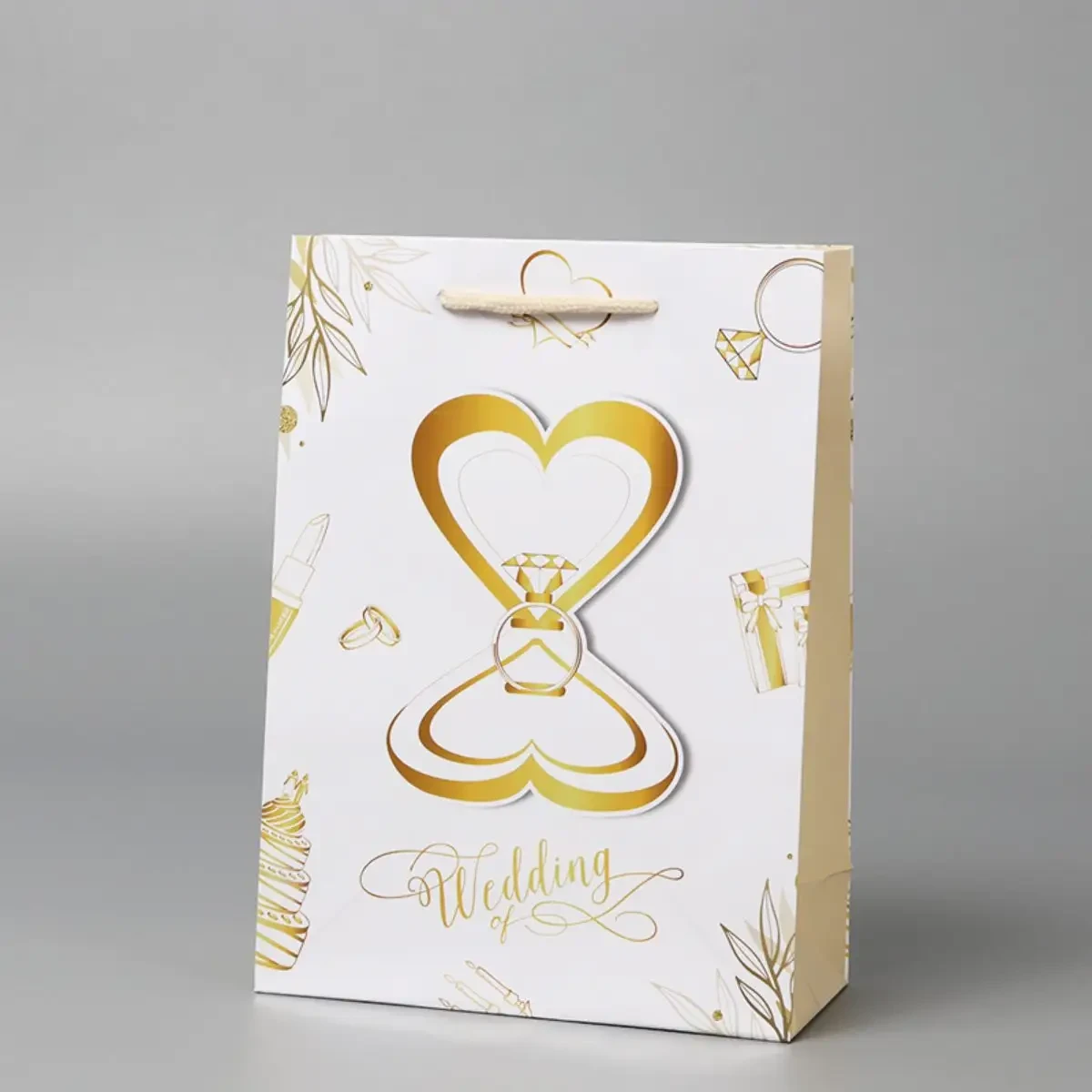
Last month, a high-end skincare brand came to us with a classic dilemma. They were launching a new $150 serum and couldn't decide between a sleek coated paper bag and a heavily textured specialty paper bag for their retail packaging. Sound familiar? Choosing between coated and textured paper for your luxury gift bags can literally make or break the unboxing experience. We break down the exact specs, costs, and real-world feel of each to help you pick the right premium packaging.
Quick Comparison: Coated vs. Textured Paper
Let's look at the raw numbers before we get into the feel. Here’s how they stack up side-by-side for a standard 10x5x12 inch luxury bag.
Metric | Coated Art Paper (Matte/Gloss) | Textured/Specialty Paper |
|---|---|---|
Base Cost (per unit) | $0.45 - $0.85 | $0.95 - $1.60+ |
Typical GSM | 250 - 300 GSM | 200 - 250 GSM |
Tactile Feel | Smooth, slick, relies on lamination | Naturally rough, woven, or linen feel |
Print Quality | Vibrant, high-res photo reproduction | Muted, elegant, best for foil/emboss |
Eco-Friendliness | Good (needs PE coating for water resistance) | Excellent, often FSC certified, no lamination needed |
Coated Art Paper: The Reliable Workhorse
Look, coated art paper is the industry standard for a reason. It’s what you see on most high-end retail shelves. When you print on a 250 GSM coated sheet and add a soft-touch matte lamination, it feels incredibly smooth and modern.
The biggest advantage here is print reproduction. If your luxury gift bag features a complex, full-color photographic design or a highly detailed brand pattern, coated paper handles the ink density beautifully. The colors pop, and the details remain razor-sharp.
But does it actually hold up in real life? Mostly, yes. The one downside we see fairly often with matte-coated bags is fingerprint smudges. If your customers are handling the bag with lotion on their hands (very common in cosmetics), it can get messy. Also, the luxury feel is entirely artificial. It’s the plastic lamination doing the heavy lifting, not the paper itself. We usually recommend soft-touch lamination for the best feel, but be aware it adds about $0.10 to the unit cost.
Textured Specialty Paper: The Tactile Showstopper
Here’s what nobody tells you about textured paper: it does the heavy lifting for you. You don’t need thick, expensive lamination. The paper itself—think linen, laid, Constellata, or felt finishes—provides the premium feel the second the customer picks it up.
In our experience, textured paper instantly elevates a brand. It whispers boutique rather than shouting mass retail. A dark charcoal textured paper with a blind deboss or gold foil stamping is just stunning.
The catch? It’s unforgiving with ink. You can’t print a high-resolution photo on a heavily textured 220 GSM cotton-feel sheet. The ink sits in the valleys of the texture, making fine details look slightly muddy. That said, if your design relies on minimalist typography, Pantone spot colors, or hot foil stamping, textured paper is unmatched.
How to Choose the Right Material for Your Brand
Frankly, there’s no one-size-fits-all answer. It depends entirely on your product, your budget, and your brand identity.
If you’re packaging heavy items like ceramics or thick glass bottles, you’ll want the structural rigidity of a 300 GSM coated paper. Textured papers at that thickness get incredibly expensive and can sometimes crack at the fold lines if not scored perfectly.
But if you’re packaging lightweight, high-margin items like jewelry, silk scarves, or premium cosmetics, a 220 GSM textured paper is the way to go.
Here’s a practical rule of thumb we usually recommend:
Choose Coated Paper if: Your budget is under $0.80 per bag, your design is colorful/complex, or you need maximum structural strength.
Choose Textured Paper if: Your budget allows for $1.00+ per bag, your design is minimalist, and you want to rely on foil stamping or embossing.
Don't forget about the handles. A 300 GSM coated bag with cheap plastic handles will ruin the illusion. Pair it with cotton rope or grosgrain ribbon. For textured bags, twisted paper handles in a matching color work beautifully and keep costs down.
When you order luxury paper bags from us, you’re working with a 37-year factory that holds ISO 9001 and FSC certifications. We typically see MOQs around 500 pieces for textured specialty papers, while coated papers can sometimes go as low as 100 pieces for digital runs. Lead times usually sit at 7-15 days, depending on the complexity of the handles and inserts.
Frequently Asked Questions
Can I use textured paper for heavy items?
You can, but it gets pricey. Textured paper loses some structural integrity at higher GSMs compared to coated kraft or white card. If you're packing heavy shoes or thick candles, stick to a 300 GSM coated paper or look into custom tote bags with reinforced bottoms.
Does textured paper tear easily?
Not necessarily. It depends on the fiber. A linen-finish paper might have a beautiful cross-hatch feel but can tear along the grain if stressed. We always recommend testing a physical dummy before committing to a 5,000-piece run.
Which material is more eco-friendly?
Generally speaking, textured paper wins. Because it doesn't require plastic lamination to achieve a premium feel, it's 100% recyclable and biodegradable right out of the gate. Coated paper needs that PE or soft-touch film layer, which complicates recycling.
Can I print full-color images on textured paper?
Technically, yes. But should you? Probably not. The texture breaks up the halftone dots, making images look slightly pixelated or vintage. If you need crisp photos, coated art paper is the only way to go.
What's the minimum order quantity (MOQ)?
For offset printing, we usually start at 500 pieces for both materials. However, if you opt for digital printing on coated paper, we can sometimes accommodate runs as low as 100 pieces. Textured paper is almost exclusively run on offset presses due to the ink absorption rates.
How long does production take?
Standard lead time is 7-15 days. However, if you're using textured paper with heavy foil stamping or deep embossing, add an extra day or two for the foils to cure properly and the paper to settle.
At the end of the day, your packaging is the first physical touchpoint your customer has with your brand. Don't just pick a material based on a spreadsheet. Order physical swatches. Feel the grain. See how the light hits the foil. The right choice will be obvious the second you hold it in your hands.