
Planning an eco-friendly event? This guide covers sustainable invitation card options — materials, finishes, and printing methods that reduce environmental impact without sacrificing elegance.
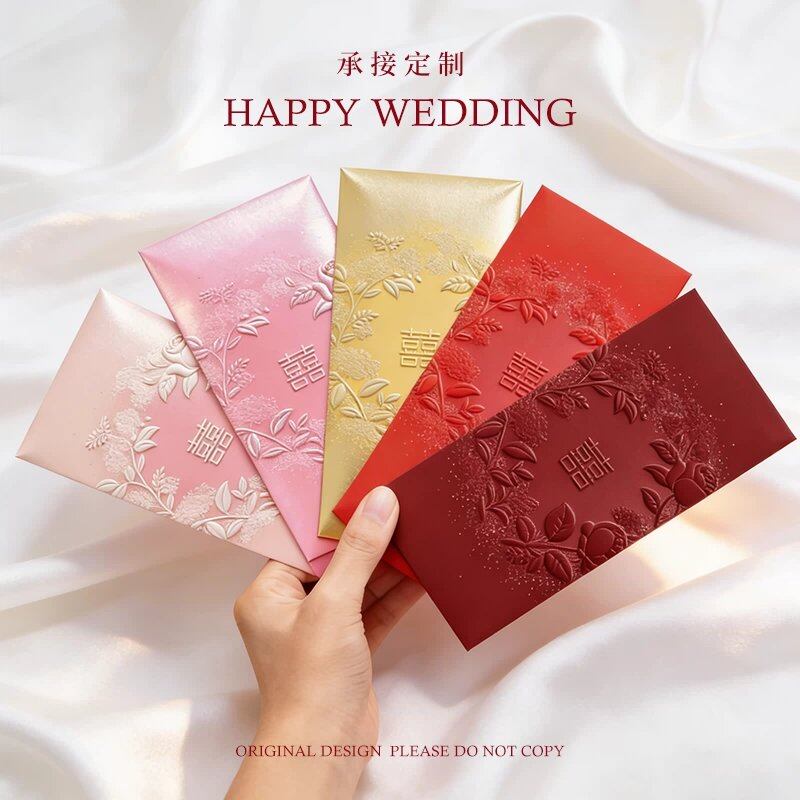
The events industry is one of the most wasteful sectors — and invitations are often the first thing thrown away. But sustainable doesn't mean sacrificing elegance. In fact, some of the most beautiful invitations we've produced have been the most eco-friendly.
Here's how to create event invitations that guests will keep, not discard — while minimizing environmental impact.
The Problem with Traditional Invitations
Most event invitations use virgin coated cardstock, petroleum-based inks, and plastic lamination. They're beautiful but short-lived — average discard time is 2-3 days after the event. For large events (500+ guests), this adds up to significant paper waste.
Sustainable Material Options
1. Recycled Cardstock
Made from post-consumer waste. Available in various weights (250-400gsm) and colors. The texture is slightly more organic than virgin paper — which many designers now prefer for its authenticity.
Best for: Corporate events, conferences, eco-themed weddings.
2. Seed Paper
Embedded with wildflower or herb seeds. After the event, guests plant the invitation and watch it grow. The ultimate "zero waste" invitation — it literally transforms into something useful.
Best for: Garden parties, outdoor weddings, environmental organization events.
Note: Seed paper has a distinctive texture and limited printing options (no foil stamping). Design accordingly.
3. FSC-Certified Virgin Paper
When you need the smoothest, most premium feel, FSC-certified virgin paper is the responsible choice. Sourced from responsibly managed forests, it offers the same quality as traditional cardstock with verified sustainability credentials.
Best for: Luxury events, formal weddings, high-end corporate galas.
4. Cotton/Rag Paper
Made from cotton fibers (often recycled from textile waste). Incredibly durable, archival quality, and naturally textured. More expensive but the most premium eco-option.
Best for: Milestone celebrations, anniversary events, luxury brand launches.
Eco-Friendly Finishing Options
Soy-based inks: Replace petroleum inks. Better for the environment and actually produce more vibrant colors on textured paper.
Water-based coatings: Replace plastic lamination. Provide protection without the environmental cost.
Blind embossing: No ink or foil needed — just physical debossing. Elegant and zero-waste.
Avoid: Plastic lamination, metallic foils (unless recycled), glossy UV coatings.
Digital vs. Print: The Real Answer
Digital invitations (email, apps) have the lowest environmental impact — but they lack the tactile experience that makes an event feel special. For most events, we recommend a hybrid approach: digital save-the-dates + printed formal invitations for VIP guests.
Cost Comparison
Traditional coated cardstock: $0.50-1.50/piece
Recycled cardstock: $0.60-1.60/piece (slightly higher)
Seed paper: $1.00-3.00/piece (premium due to embedding process)
FSC-certified virgin: $0.70-2.00/piece
Cotton/rag paper: $2.00-5.00/piece (luxury tier)
Final Thoughts
Sustainable invitations aren't a compromise — they're an opportunity to align your event's first impression with your values. The best sustainable invitations are the ones guests actually want to keep, plant, or display. That's the real measure of success.
Looking for sustainable invitation options for your next event? Contact Aorai Pack for samples and recommendations.