
Looking for sustainable birthday cards and invitations that don't compromise on quality? This 2026 guide breaks down the best eco-friendly materials, finishes, and real-world costs for your custom celebration cards.
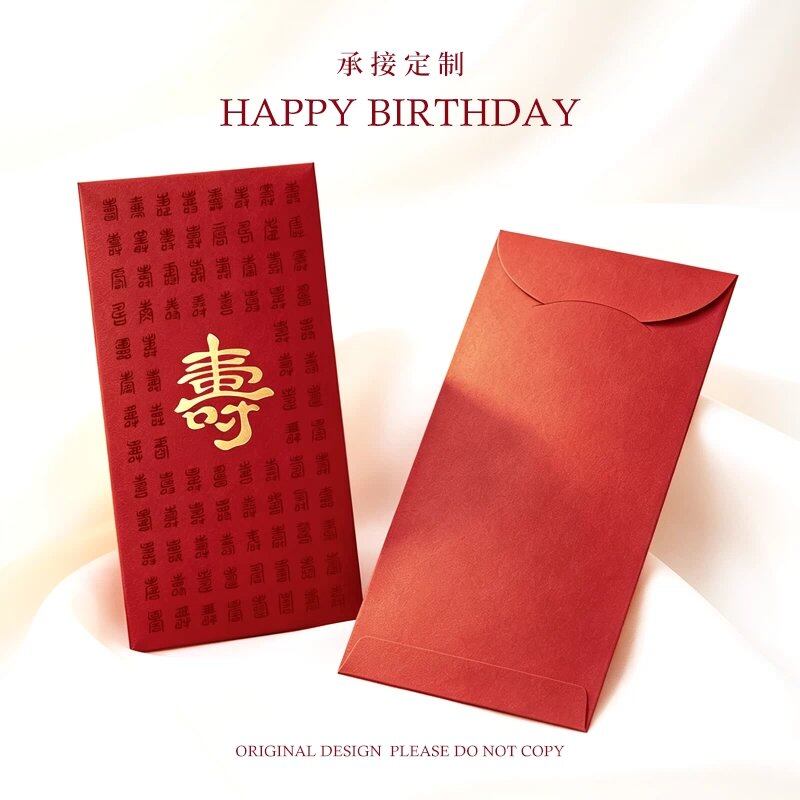
Last month, a boutique event planner called us in a panic. She’d just landed a massive corporate client for their annual family day, and the brief specifically demanded 100% sustainable birthday cards for the employees' kids. The catch? She had exactly three weeks, a strict budget, and zero experience with eco-friendly printing. Sound familiar?
Here’s the thing: going green with custom greeting cards doesn't have to mean sacrificing quality or blowing your budget. But there’s no one-size-fits-all solution. Let's break down what actually works in 2026, straight from the press floor.
The Paper: Where the Real Choices Happen
Let’s be honest, the paper choice makes or breaks the card. You can have the best design in the world, but if it feels like cheap cardboard, people will toss it. When we talk about sustainable options, we're generally looking at three main players.
100% Post-Consumer Waste (PCW) Recycled Paper
This is the gold standard for eco-conscious brands. It’s made entirely from recycled material, requiring zero virgin trees. The texture is usually a bit rough, which gives a lovely organic feel to minimalist designs. The downside? It can be slightly textured, which might mess up ultra-fine halftone images. But for birthday cards with bold illustrations or flat colors? It looks fantastic. You'll want to stick to 300gsm to 350gsm to ensure it feels premium.
Seed Paper (Plantable Paper)
This is the crowd-pleaser. We embed wildflower or herb seeds directly into the pulp. Kids love it because they can plant the card after the birthday party. It usually runs around 250gsm to 300gsm. Price-wise, it jumps to roughly $0.85-$1.20 per unit for a standard 5x7 inch card. MOQs are generally higher, around 500 pcs, because the papermaking process is slower and more manual.
FSC-Certified Virgin Paper
Look, sometimes you just need that crisp, bright white finish for vibrant photo printing. FSC-certified paper gives you that without the guilt. It’s sourced from responsibly managed forests. It's about 5-10% more than standard coated paper, but totally worth it for brand image. If you need that high-gloss photo look for a milestone birthday, this is your best bet.
Ink and Finishes: The Hidden Traps
Here’s what nobody tells you about sustainable cards: the paper is only half the battle. What you put on it matters just as much.
Traditional petroleum-based inks release VOCs (volatile organic compounds) into the air as they dry. In our 37-year factory history, we've seen printing trends come and go, but the shift away from these inks is permanent. We run our presses with soy-based and algae inks. They pop just as well, especially on uncoated stocks, and they make the paper much easier to recycle later.
Then there's the foil dilemma. Everyone wants foil stamping for celebration cards. It catches the light and feels expensive. But traditional metallic foil isn't recyclable. The catch is, you have to use eco-friendly foil stamping options, like biodegradable foils. It costs roughly 30% more and limits your color palette to metallics and a few solid colors, but it keeps the card out of the landfill.
As for coatings, skip the plastic laminates. Aqueous coating is the way to go. It’s water-based, fully recyclable, and gives a nice subtle sheen without the plastic waste.
The Cost & Quality Reality Check
So, how much does this actually cost? Let's look at the real numbers so you can budget properly.
Take a standard 5x7 birthday card: 350gsm FSC uncoated stock, soy ink, aqueous coating. At 500 pcs, you're looking at $0.45 to $0.60 per unit. If you push that to 1,000 pcs, the price drops to about $0.25 to $0.35 per unit. Lead time? Usually 7-12 days for standard sustainable stocks. If you opt for seed paper, add about 3-4 days because it's a specialty item.
But does it actually hold up in real life? Generally speaking, yes. However, we've seen that uncoated recycled paper can scuff during transit if you aren't careful. We usually recommend a matte aqueous coating just to protect the edges and prevent ink rub-off.
Common Mistakes to Avoid
We see brands mess this up all the time. Here are two quick pitfalls to dodge:
Heavy ink coverage on raw recycled paper: If you lay down a massive solid block of dark color on 100% PCW paper, it will bleed and look muddy. Keep the design breathable, or use a light aqueous coating as a base.
Forgetting the envelope: You spend all this time and money on a sustainable card, then slip it into a plastic-lined or non-recyclable envelope. It defeats the purpose. Always pair your cards with recycled kraft envelopes.
Why Bother? The Real ROI
You might be wondering if the extra effort and slight cost bump is actually worth it. Sound too good to be true?
About 70% of our B2B customers who switched to sustainable birthday and celebration cards told us they saw a noticeable bump in social media shares. People actually post the "plantable" seed paper cards online. It’s free, authentic marketing. Plus, for corporate clients, it easily ticks the ESG (Environmental, Social, and Governance) reporting box. As an ISO 9001 and FSC-certified paper stock facility, we provide all the chain-of-custody documentation your compliance team will ever need.
Going green doesn't mean your cards have to look like a science project. With the right material pairing and a smart design, your sustainable invitations will feel more premium than the traditional options. Just start your planning a few weeks earlier than usual, and you'll be fine.