Discover how letterpress printing elevates business thank you cards, covering costs, paper choices, and design tips for 2026.
Last month, a marketing director sent us a batch of generic, digitally printed thank you cards her previous vendor made. They looked fine on a screen. But in hand? They felt like junk mail. She was handing these out to top-tier clients after a major product launch. That is a massive missed opportunity. When you are sending business appreciation cards, the tactile experience is half the message.
That is exactly why letterpress printing for thank you cards has made such a huge comeback. It is not just about nostalgia. It is about making an impression that literally leaves a mark. But does it actually hold up in real life for modern B2B gifting? Let us break down what you need to know.
The Bite Factor: Why Letterpress Works for Appreciation Cards
Letterpress is not just ink sitting on top of paper. It is about pressure. Metal or polymer plates are pressed deeply into thick, uncoated stock, leaving a physical indentation. We call it the bite.
Look, letterpress is not perfect. If you need 5,000 full-color photo cards by next Tuesday, this is not your technique. It is slow. It is pricey. But for 250 to 1,000 high-stakes thank you cards? Nothing beats the sheer authority of a deep, tactile impression. It tells the recipient you did not just click a button and hope for the best.
Real Costs and Timelines (No Fluff)
People always ask about the price. Here is what we are seeing in 2026 for a standard 5x7 inch business thank you card on 600gsm cotton paper.
Expect to pay between $0.85 and $2.50 per unit. The catch is the setup. Plate creation adds a flat fee, usually around $40 to $60 per color. That is why the per-unit cost drops significantly once you pass the 500-piece mark.
Lead times? Usually 10 to 14 days. Rush jobs are possible, but honestly, we usually recommend against rushing letterpress. The ink needs time to cure properly on thick stock, and rushing it can lead to smudging.
Design Rules You Cannot Ignore
Here is where most first-timers mess up. They design a beautiful, complex gradient logo and send it over.
Letterpress hates gradients. It also struggles with massive solid blocks of ink. The paper just gets squished and looks muddy. Keep it simple. Thin lines, elegant serif fonts, and plenty of negative space work best.
If you are designing custom cards and invitations for a corporate rebrand, stick to 1 or 2 colors. It keeps the design crisp and the costs manageable.
Letterpress vs. Thermography: What is the Actual Difference?
We get this question a lot. Thermography is often pitched as a cheaper alternative to letterpress. It uses a special powder mixed with ink, which is then heated to create a raised effect.
The difference? Thermography is raised. Letterpress is indented. Thermography feels a bit like bumpy plastic. Letterpress feels like a deep, luxurious bite into soft cotton. If your budget is strictly under $0.50 per unit, thermography is fine. But if you want that premium, high-end feel for your biggest clients, thermography will disappoint you.
When to Mix in Foil Stamping
Sometimes, blind letterpress (just the inkless impression) is not quite loud enough for your brand.
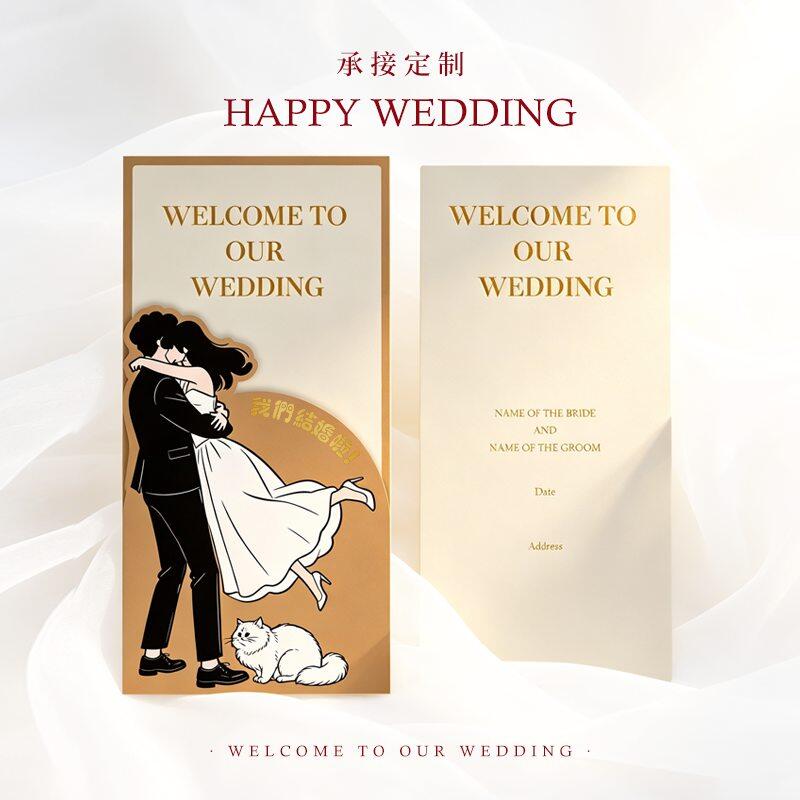
That is when we combine it with foil stamping. Imagine a deep, tactile impression for your company name, but the actual text is stamped in matte gold or rose gold foil. Does it cost more? Roughly 15-20% more upfront. But the perceived value of the card doubles. We have seen clients get a noticeably higher response rate when switching from standard digital to a foil-letterpress combo.
Paper Choice Makes or Breaks It
You cannot use standard 300gsm coated stock for letterpress. It just will not bite. You need uncoated, thick paper. 600gsm is the sweet spot. Some people go up to 800gsm by laminating two sheets together, but 600gsm gives you that perfect deep impression without making the card feel like a coaster.
Cotton paper is the gold standard here. It is soft, luxurious, and takes the ink beautifully. Plus, since our facility is FSC certified, we can source sustainable cotton blends that do not compromise on the feel.
Is It Worth the Investment?
Let us be honest. If you are sending thank you cards to a list of 10,000 random leads, stick to digital offset. It is cheaper and faster.
But if you are sending 300 cards to your biggest enterprise clients, the ROI on letterpress is undeniable. In our 37-year factory, which is fully ISO 9001 certified, we have tracked the outcomes. Clients who use premium tactile cards for B2B appreciation see a higher retention rate. It shows you actually cared.
Ready to make your thank you cards memorable? Start by simplifying your design and picking a heavy cotton stock. If you need a hand figuring out the best color combo or paper weight for your specific brand, our team is always around to chat.