Looking for the perfect printing technique for baby shower red envelopes? This 2026 guide breaks down foil stamping and custom printing to make your newborn celebration packets stand out.
1. Why Baby Shower Red Envelopes Need a Different Approach
Last month, an event planner asked us why her baby shower red envelopes looked 'flat' despite using expensive paper. The answer? She relied entirely on standard offset printing. For newborn and full month celebrations, traditional bright red just doesn't cut it anymore. Parents want soft pastel reds, rose golds, and tactile finishes.
That’s where advanced printing techniques come in. If you're figuring out the right printing technique for baby shower red envelopes, this 2026 guide breaks down exactly what works, what it costs, and where the pitfalls hide.
2. The Heavy Lifter: Foil Stamping
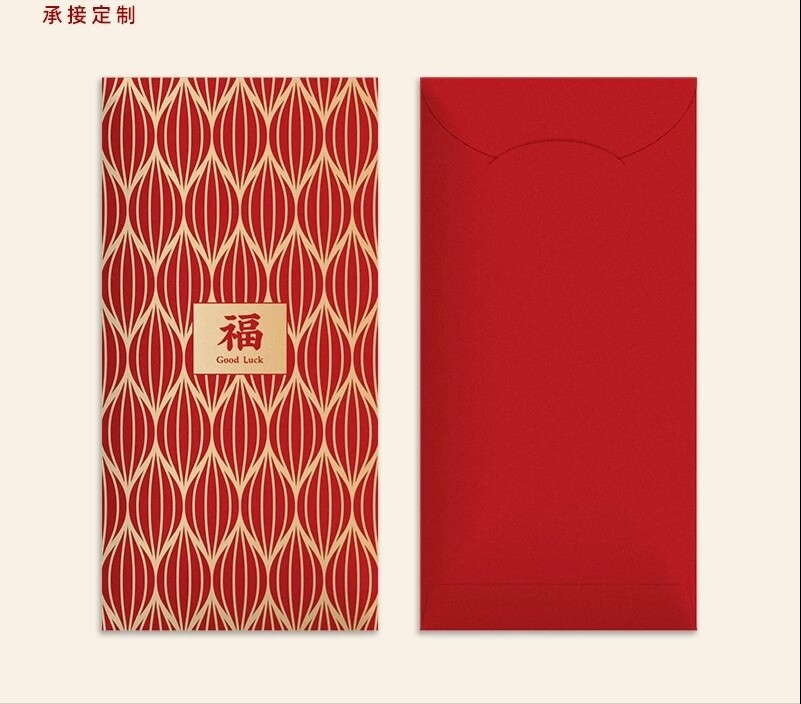
Let's be honest, foil stamping is the undisputed king of premium red envelopes. For baby showers, we usually recommend gold, rose gold, or soft silver foils. They add that instant 'wow' factor when guests receive their packets.
How it works: A heated metal die presses metallic foil directly into the paper. We offer both hot foil (traditional, highly durable) and cold foil (cheaper, better for large solid areas).
Pros: It catches the light beautifully and elevates simple designs. A tiny foil-stamped footprint or stork motif looks incredibly premium.
Cons: It's not perfect — here's where it falls short. If you use heavily textured paper (like a 250gsm linen finish), the hot foil might not catch in the deep grooves, leaving tiny pinholes. The catch is, you either need to use cold foil or switch to a smoother paper stock.
Cost range: Roughly $0.08 to $0.15 extra per unit for the foil die and stamping process, plus a one-time die cost of about $40-$80 depending on design complexity.
3. The Base: Offset vs. Digital Printing
You can't just stamp foil on blank paper. You need the base color. Here's what we've noticed: most clients want that soft, milky pink or muted coral for baby showers. Getting that exact shade requires precision.
Offset printing is the way to go for quantities over 500 pieces. It gives you a flawless, solid color block. We typically use 300gsm coated or uncoated art paper. If you need a specific Pantone pastel, offset is the only way to guarantee color accuracy.
Digital printing? Only use it if you need under 200 pieces or have a highly complex, multi-colored illustration. It's about 30% more expensive per unit for short runs, and the colors sometimes lack that deep, rich saturation of offset. Most of the time, though, offset is the clear winner for red packets.
4. Adding Texture: Embossing & Spot UV
Want to make the packet feel as special as the gift inside? Add some texture. Blind embossing (pressing the design into the paper without ink) works brilliantly for baby shower themes. Imagine a subtle, raised pattern of baby blocks or rattles on the back of the envelope.
Spot UV is another option, but frankly, we see it used less on red envelopes because it can look a bit too 'corporate' or slippery. Stick to embossing for a softer, more celebratory feel that guests will love touching.
5. How to Choose Based on Budget and Quantity
Sound too good to be true? Let's talk numbers. Choosing the right technique depends entirely on your budget and guest list size.
Tight Budget (Under $0.20 per packet): Stick to standard offset printing with a soft-touch matte lamination. It feels premium without the foil upcharge.
The Sweet Spot ($0.25 - $0.45 per unit): Combine offset printing with a simple foil stamp. This is what about 70% of our baby shower clients choose. It offers maximum visual impact for a reasonable price.
Going All Out ($0.50+ per unit): Combine offset, foil stamping, and blind embossing. This creates a true luxury keepsake.
Typical MOQs for custom baby shower red envelopes start at 500 pieces. Lead times usually run 10-14 days, depending on the complexity of the finishing and our current production queue.
6. Real-World Pitfalls (What Goes Wrong)
We've been in the printing game for 37 years, and we've seen every mistake in the book. Here are two things to watch out for:
1. Bleed issues on the flap. Red envelopes have a specific folding structure. If your designer doesn't account for the flap overlap, your beautiful foil motif might get cut off or hidden when sealed. Always request a physical dieline template first.
2. Ink drying time. When you combine thick ink layers (like a solid pastel red) with foil stamping, the ink needs time to cure. If the factory rushes it, the foil can peel off a month later. Always ask your supplier about their curing process. In our ISO 9001-certified facility, we mandate a minimum 24-hour curing time before any finishing touches are applied.
7. Frequently Asked Questions
Can I use holographic foil for a baby shower?
Yes, but keep it subtle. A small holographic star or moon motif looks magical, but an all-over holographic background will look like a disco party, not a newborn celebration.
What paper weight is best for red envelopes?
Generally speaking, 300gsm is the sweet spot. Anything lighter (like 200gsm) feels cheap and flimsy when handing out cash gifts. Anything heavier (400gsm) makes folding the envelope difficult and can cause the glue to fail.
Do you offer eco-friendly options for baby shower packets?
Absolutely. As an FSC-certified factory, we can print your baby shower red envelopes on recycled or FSC-approved paper. We also offer soy-based inks. Just note that recycled paper has a slightly rougher texture, which might affect fine foil details. It depends on how intricate your design is.
Final Thoughts
At Aorai Pack, we handle everything from the initial dieline to the final quality check. If you're ready to create custom red envelopes that your guests will actually keep as keepsakes, let's talk. Check out our foil stamping packaging options to see what's possible for your next big celebration.