Selecting the right packaging material is crucial for product protection, brand perception, and meeting your business goals. With so many options available, making the right choice depends on factors like your product type, budget, sustainability targets, and customer expectations. In this guide, we’ll break down the key considerations to help you pick the perfect material for your packaging needs.
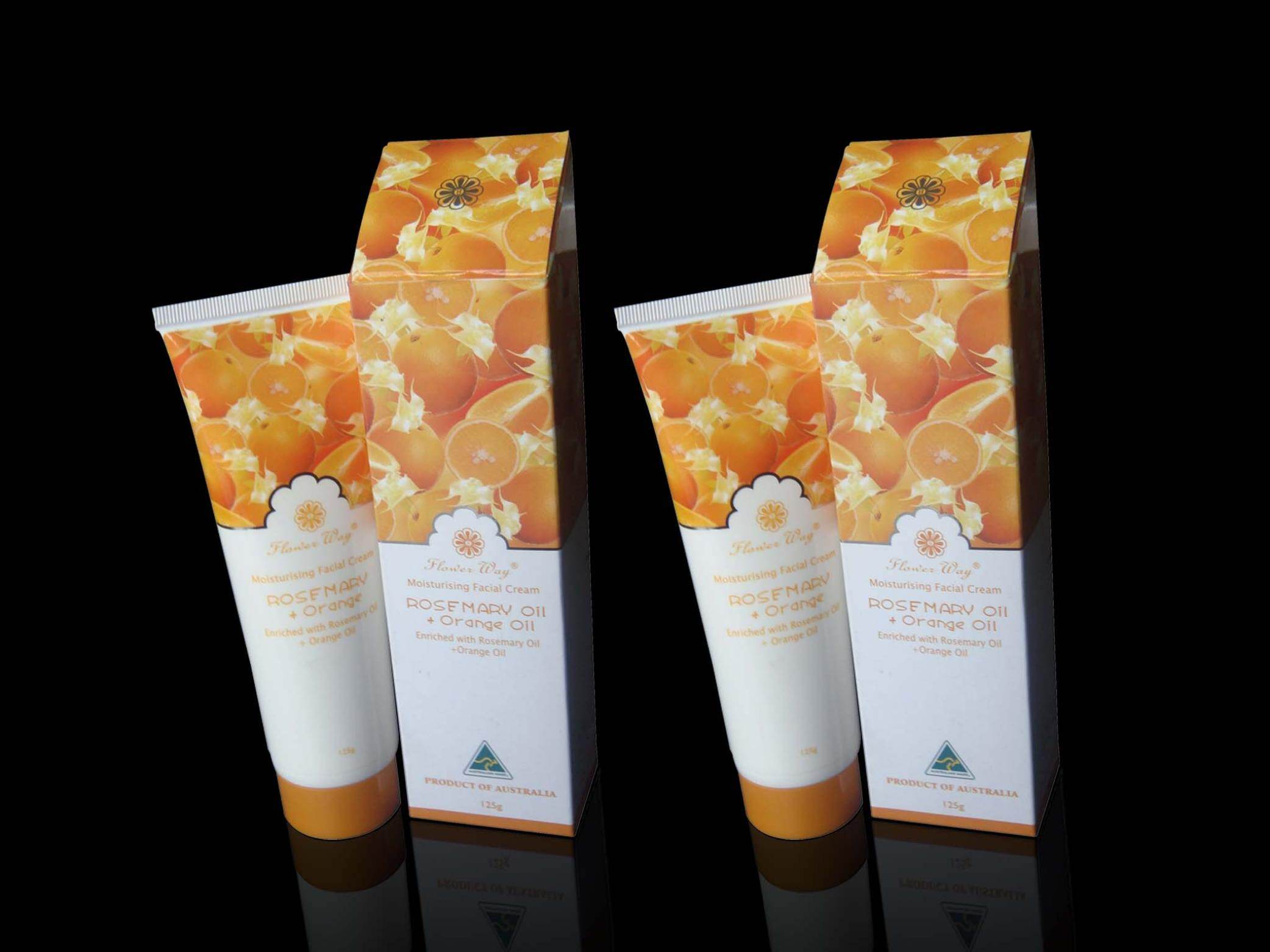
2.1 Product Protection & Transportation Environment
First define your packaging’s core protective purpose:
Fragile goods (glass bottles, cosmetics, ceramics): Choose rigid thick cardboard, corrugated boxes, insert paper trays to resist extrusion and collision.
Moisture-prone items (food, tea, skincare): Select coated waterproof paper or grease-proof food-grade paper to prevent damp and oil contamination.
Heavy goods: High-strength corrugated shipping cartons to avoid box rupture during long-distance logistics.
Cold-chain / high-temperature transported products: Need heat-resistant, oil-proof food-safe special packaging materials.
2.2 Brand Positioning & Expected Visual Effect
Budget mass-market / e-commerce basic shipping packaging: Ordinary kraft paper, white cardboard, lightweight corrugated paper.
Mid-range retail brand: Coated art paper, recycled kraft paper with hot stamping, embossing craft.
High-end luxury brand: Special textured paper, black cardboard, rigid gift box grey board, matte soft-touch laminated paper.
Eco-conscious green brand: FSC recycled paper, compostable plant-based packaging materials.
2.3 Total Packaging Budget & MOQ Arrangement
Different materials have obvious cost gaps:
Low cost: Recycled kraft paper, conventional corrugated cartons, plain white paper.
Mid cost: Coated art paper, food-grade greaseproof paper, common rigid box grey board.
High cost: Special textured paper, biodegradable compostable materials, multi-layer luxury rigid board.
If you are a startup brand with small-batch trial sales, prioritize materials supporting low MOQ to avoid capital pressure from large inventory backlogs.
2.4 Target Market Sustainability & Legal Compliance
Different regions have strict packaging material regulatory requirements:
EU, UK: Must comply with EPR, plastic tax, prefer FSC-certified recyclable paper, ban excessive non-recyclable composite materials.
North America: Require food contact safety certification for food packaging, encourage recycled packaging.
Australia & Southeast Asia: Gradually roll out plastic restriction policies, restricting single-use non-recyclable packaging.
Choosing compliant recyclable or compostable materials can avoid customs detention, fines and product market ban risks.
2.5 Target Consumer Group Preference
Eco-oriented consumers prefer recycled, uncoated kraft paper packaging; luxury gift buyers expect high-texture special paper and exquisite craftsmanship; young social media shoppers favor minimalist, highly photographable paper materials with clean printing performance. Your packaging material must match your audience’s consumption values.
2.6 Storage & Logistics Conditions
If products need long-term warehouse storage, select anti-yellowing, moisture-proof coated paper to prevent packaging discoloration and mildew. For long-distance sea freight, choose high tensile strength corrugated boxes to adapt to complex handling and temperature changes in international transportation.
3. Mainstream Packaging Material Types, Pros, Cons & Suitable Scenarios
3.1 Recycled Kraft Paper
Advantages: Low cost, 100% recyclable, FSC-certifiable, eco-friendly, good printing adaptability.
Disadvantages: Limited high-gloss delicate color reproduction, easy to get dirty without coating.
Best for: Apparel paper bags, shipping boxes, eco skincare gift boxes, food outer packaging, DTC e-commerce brands.
3.2 Coated Art Paper (C2S Art Paper)
Advantages: Smooth surface, high-definition color printing, supports hot stamping, UV, embossing various crafts.
Disadvantages: Conventional coated paper is difficult to be recycled if laminated with plastic film.
Best for: Brochures, product labels, luxury gift boxes, cosmetic folding cartons, retail product packaging.
3.3 Grey Board (Rigid Box Cardboard)
Advantages: High hardness, strong compression resistance, can make rigid gift boxes, premium texture.
Disadvantages: Higher cost, large MOQ for customized thick rigid boxes.
Best for: High-end cosmetics, jewelry, wine, gift sets, luxury skincare limited packaging.
3.4 Food-Grade Greaseproof Paper
Advantages: Oil-proof, water-resistant, food safety certified, compliant for direct food contact.
Disadvantages: Limited color customization range compared to art paper.
Best for: Snacks, baked goods, coffee, takeaway food packaging, edible product inner wrapping.
3.5 Compostable Biodegradable Paper & Plant-Based Materials
Advantages: Industrial/home compostable, zero plastic pollution, meets strict global green regulations.
Disadvantages: Higher material cost, partial craft limitations.
Best for: Organic food, zero-waste brands, EU/US cross-border eco-focused brands.
3.6 Corrugated Cardboard (3/5/7 Layer)
Advantages: Excellent shock absorption, low logistics packaging cost, high compression resistance.
Disadvantages: Ordinary corrugated paper has weak high-end decorative performance.
Best for: E-commerce shipping boxes, large product outer transportation packaging, bulk commodity outer cartons.
4. Industry Recommended Packaging Material Matching Table
表格
Industry | Recommended Main Materials | Compliance & Brand Tips |
|---|---|---|
Cosmetic & Skincare | Coated art paper, recycled kraft, rigid grey board | Choose food-safe inner material for contact products; EU brands need FSC recyclable paper |
Food & Beverage | Greaseproof food-grade paper, kraft paper, compostable material | Must provide food contact test reports |
Apparel & Fashion | Recycled kraft paper, coated art paper for hangtags & paper bags | Low MOQ recycled kraft suits startup clothing brands |
E-commerce DTC Brands | 3-layer corrugated box + recycled kraft outer packaging | Lightweight material to cut logistics cost |
Luxury Gift & Jewelry | Grey rigid board + special textured coated paper | Match hot stamping/embossing to upgrade texture |
Organic Eco Brands | FSC recycled paper, home compostable packaging | Complete sustainability certification for overseas customs |
5. Common Mistakes to Avoid When Choosing Packaging Materials
Only focus on appearance while ignoring transportation protection, leading to high product damage rate.
Choose non-recyclable composite materials without understanding target market plastic policies, resulting in customs fines.
Select high-end luxury thick materials for mass fast-moving goods, causing excessive packaging cost waste.
Ignore storage environment, using ordinary paper for high-humidity warehouse products, leading to mildew and discoloration.
Blindly pursue low MOQ special materials, resulting in unstable supply and poor printing effect.
6. FAQs
Q1: Which packaging material has the lowest MOQ for startup brands?
A: Recycled kraft paper and conventional coated art paper support flexible small-batch customization, which are the most cost-effective choices for new brand trial orders.
Q2: What packaging materials can pass EU EPR & plastic tax compliance?
A: FSC-certified single-layer recyclable paper, unlaminated kraft paper, industrial compostable packaging materials are fully compliant with EU green packaging regulations.
Q3: How to balance packaging material cost and high-end brand texture?
A: You can use affordable recycled kraft base material matched with hot stamping, embossing and other surface crafts to create premium texture without upgrading to expensive special paper.
Q4: Can you provide material sample books to help me select packaging materials?
A: We offer free physical material sample books covering kraft paper, art paper, grey board, greaseproof paper and compostable materials, together with craft effect display for your reference and confirmation.
7. Get Professional Packaging Material Selection Service from Aorai Pack
Selecting the most suitable packaging material is the first step to successful brand packaging upgrading. As a professional custom packaging manufacturer, Aorai Pack provides one-stop material selection, structural design, proofing, printing and bulk production services for global brands.
Our packaging consultant team will combine your product type, target sales region, budget range, sustainability goals and brand positioning to recommend the most cost-effective, compliant packaging material solution. We supply full certification documents for all mainstream eco and food-grade materials, support low-MOQ trial customization and stable mass order delivery.
Contact us to receive our packaging material sample book, professional material selection consultation and exclusive customized packaging quotation, and avoid costly material selection mistakes for your brand packaging project.