
Looking for the best cards & invitations for luxury cardstock to elevate your brand's premium events? We break down the top paper weights, finishes, and printing techniques that actually deliver that high-end tactile experience.
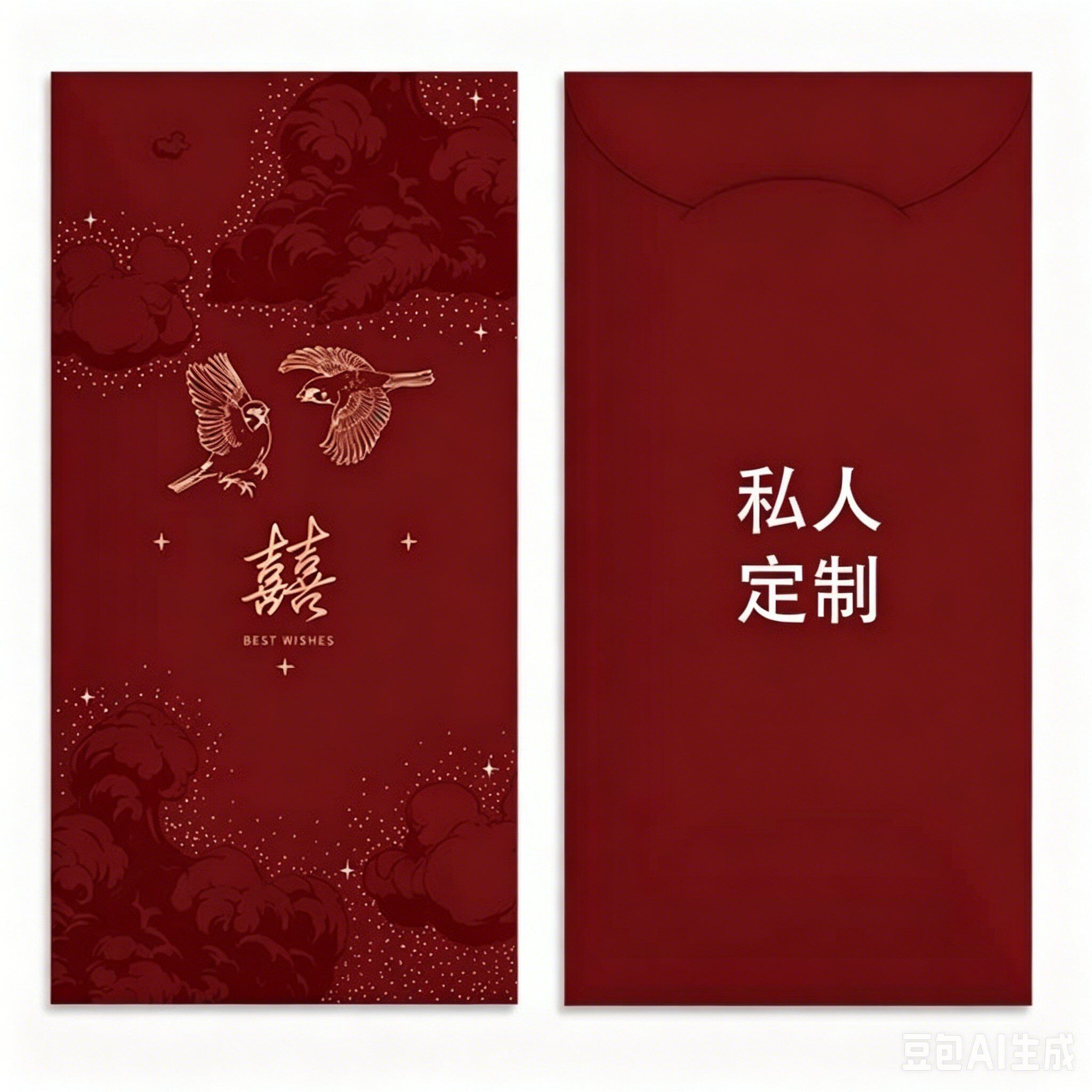
Why "Thick" Isn't Enough for Luxury Cardstock
Let’s be honest. Anyone can slap a 300gsm label on a piece of paper and call it premium. But when you're sourcing the best cards & invitations for luxury cardstock, you're not just looking for thickness. You're chasing a specific tactile experience. The way it feels between the fingers. The subtle weight when it's handed across a table. The way light catches a foil stamp without looking cheap.
At Aorai Pack, our 37-year factory has printed millions of high-end cards. We've seen what works, and more importantly, what completely falls flat. Here’s what actually matters when you're specifying luxury cardstock for premium events, corporate galas, or high-ticket brand launches.
The Heavy Hitters: Top Luxury Cardstock Options
There’s no one-size-fits-all here. The best paper depends entirely on your printing technique and the vibe you're going for. Let's break down the heavyweights.
1. 100% Cotton Paper (The Letterpress King)
If you want that deep, debossed letterpress look, cotton is non-negotiable. It’s soft, highly absorbent, and practically begs for ink to be pressed into it. We usually recommend 300gsm to 600gsm. The catch? It’s pricey. Expect to pay around $1.20 to $2.50 per unit for a standard 5x7 inch invite at an MOQ of 500 pieces. But the ROI on perceived value? Massive.
2. Double-Thick Black Core or Grey Core
This is where things get really fun. By sandwiching a black or grey core between two sheets of premium white or colored paper, you get a massive 600gsm to 800gsm sheet. The real magic happens when you edge-paint it. A gold or rose gold edge on a double-thick card screams luxury. It costs roughly 15-20% more upfront than standard cardstock, but it instantly justifies a premium event ticket price.
3. Textured Specialty Cardstock (Linen & Felt)
Not everyone has a $3.00 per unit budget. If you need to keep costs down without sacrificing the luxury feel, textured specialty papers are your best friend. A 350gsm linen or felt finish gives you that expensive, tactile grip. It’s perfect for digital printing and offset. You’re looking at about $0.45 to $0.85 per piece. It doesn't hold letterpress as well as cotton, but for foil stamping, it’s a dream.
4. Pearlescent and Metallic Cardstock
Sometimes you want the paper itself to do the heavy lifting. Pearlescent cardstocks have a subtle shimmer that catches the light beautifully. The trick here is to keep the design minimal. Too much ink on a metallic surface just looks messy. We usually recommend blind embossing or subtle foil on these. Lead time is typically 7-15 days, depending on the specific mill's stock.
Matching the Print Technique to the Paper
Here’s what nobody tells you about luxury printing: the paper and the ink are in a marriage. If you mess this up, the whole thing falls apart.
Take custom cards and invitations that require heavy foil stamping, for example. If you try to hot foil on a highly coated, glossy luxury paper, the foil won't adhere properly. It’ll flake off. You need an uncoated, slightly porous surface. That’s why we push clients toward uncoated textured stocks or cotton when they want crisp, durable foil.
On the flip side, if you're doing intricate, full-color photographic designs, a smooth, coated luxury stock (like a 300gsm silk or matte art card) is the way to go. Just don't expect it to feel like cotton. It’s all about trade-offs.
Color Management on Uncoated Stocks
Here’s a trap that catches a lot of designers off guard. You design a beautiful, vibrant coral invitation on your bright RGB monitor. Then it gets printed on an uncoated, absorbent luxury cotton stock. The result? The colors look muddy and dull. Uncoated papers absorb ink, causing it to spread slightly. If you're using uncoated luxury cardstock, you need to adjust your color profiles. We usually recommend pulling back the saturation by about 10-15% and relying more on the natural texture of the paper rather than heavy ink coverage to provide visual interest.
Budget Breakdown: What Should You Actually Spend?
Let’s talk numbers. Pricing varies wildly based on your finishing touches. Here’s a realistic breakdown for a standard 5x7 inch luxury invitation suite (invite + RSVP + envelope), assuming an MOQ of 500 sets:
Entry-Level Luxury ($1.50 - $2.50/set): 350gsm textured specialty paper, digital or offset print, basic foil stamping on the invite only. Standard envelopes.
Mid-Range Premium ($3.00 - $5.00/set): 400gsm cotton or double-thick stock, letterpress or deep foil, edge painting, and a lined envelope.
Ultra-Luxury ($6.00 - $12.00+/set): 600gsm+ 100% cotton, multi-color letterpress, custom edge painting, wax seals, and housed in a luxury invitation box or rigid mailer.
Most of our B2B clients in the event and wedding space aim for the mid-range. It hits that sweet spot of looking incredibly expensive without eating your entire margin.
Real-World Pitfalls to Avoid
We’ve seen it all in our three decades of printing. Here are the most common mistakes brands make when ordering luxury cards:
Ignoring the envelope. You spend $4.00 on a beautiful double-thick invitation, then stuff it into a flimsy, 80gsm commercial envelope. It ruins the unboxing experience. Always match the envelope weight (at least 120gsm) and texture to the invite.
Over-inking textured paper. Textured stocks absorb ink differently. If you have heavy solid coverage, it can look patchy. Keep designs clean, use negative space, and let the paper texture breathe.
Forgetting about mailing regulations. A 600gsm double-thick card with edge painting and a wax seal is gorgeous. It’s also a nightmare for standard postal sorting machines. It will likely require hand-canceling, which adds postage costs. Always run a dummy sample through your local post office first.
Frequently Asked Questions
What is the best GSM for luxury invitations?
Generally speaking, 300gsm is the absolute minimum for a premium feel. However, 400gsm to 600gsm is where the true luxury tier lives. Anything below 250gsm just feels like a standard greeting card.
Can I use recycled paper for luxury cardstock?
Yes, but with caveats. FSC-certified recycled cotton or specialty eco-luxury papers are available. The catch is that recycled fibers can sometimes be shorter, making the paper slightly less smooth. If your brand's sustainability angle is a priority, we can source specialty paper printing options that balance eco-credentials with a premium tactile feel.
How long does it take to print luxury cardstock invitations?
Standard luxury cards take about 7-10 days. But if you're adding complex finishes like edge painting, multi-level letterpress, or custom foil dies, expect 12-15 days. Always build a buffer into your event timeline.
Is double-thick cardstock worth the extra cost?
In our experience, absolutely. The visual thickness and the ability to paint the edges elevate the perceived value of the card by at least 30%. It’s the easiest way to make a good design look like a million bucks.
Choosing the right luxury cardstock isn't just about picking the thickest paper in the mill. It’s about understanding how weight, texture, and printing techniques interact to create a memorable physical experience. Get the foundation right, and the rest of the design will naturally follow.