
Dark, matte-finished packaging looks incredible on screen, but it’s a fingerprint magnet in the real world. Here’s how to protect your premium unboxing experience without blowing up your unit costs.
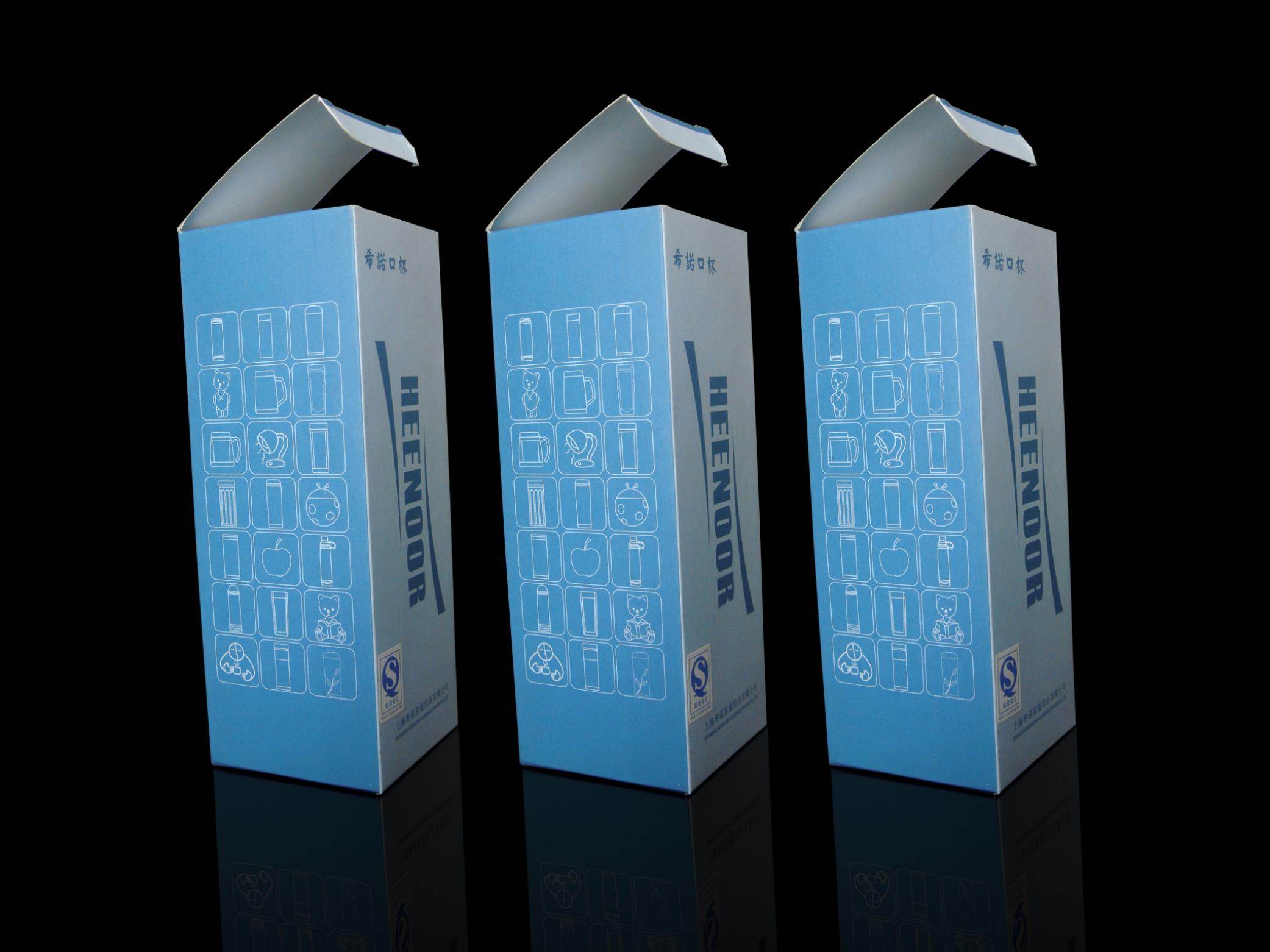
The Midnight Blue Trap
Last week, a premium skincare brand sent us a photo of their new midnight blue boxes. They looked stunning on the design mockup. But in the actual retail store? They looked like they’d been dragged through a fingerprint convention. Every time a customer picked one up to check the price, they left a shiny, oily smudge right across the logo.
Here’s the thing about dark, matte-finished packaging. It is incredibly unforgiving. When you pair a deep, saturated ink color with a standard soft-touch film, you’re basically creating a microscopic canvas for every thumb that brushes past it on a retail shelf. It’s a nightmare for brand managers.
We see this happen all the time. Brands fall in love with the velvety feel of standard matte lamination during the proofing stage. They forget that the box won’t just sit in a pristine studio. It’s going to be handled, stacked, shipped, and rubbed against other boxes in a dimly lit boutique. Standard matte film just doesn't hold up.
Standard Matte vs. Anti-Scratch: What’s Actually Different?
So, what’s the fix? You swap the standard film for an anti-scratch matte lamination. But don't just take the supplier's word for it. Let's look at what's actually happening on the press.
Standard matte lamination is essentially a thin layer of plastic with a rough surface that scatters light, giving it that non-glossy look. That roughness is exactly what catches oils from human skin and highlights micro-scratches from friction.
Anti-scratch matte lamination, on the other hand, uses a specialized topcoat. It keeps the visual light-scattering effect but fills in those microscopic valleys. The surface feels just as smooth, maybe even a bit silkier, but it actively repels oils and resists abrasion.
The Chemistry Behind the Shield
In our experience running the press on these jobs, the difference in durability is staggering. We put both finishes through a standard Taber abrasion test. A standard matte film usually starts showing visible wear after about 50 to 80 cycles. The anti-scratch variant? It easily pushes past 250 cycles before you see any real degradation. That translates to roughly an 85% reduction in visible micro-scratches during normal retail handling.
The Real Cost (And Why It’s Worth It)
Look, we get it. You’re looking at the bottom line. Upgrading to anti-scratch matte lamination isn't free. Generally speaking, you’re looking at a 15% to 22% upcharge on the finishing cost compared to standard matte.
For a high-end rigid box, that might add $0.15 to $0.25 per unit. If you're packaging a $12 serum, that extra quarter matters. But if you're selling a $150 fragrance or a premium tech accessory? It’s a drop in the bucket.
There's no one-size-fits-all here. If your product is a low-margin consumable that gets thrown in a shipping box immediately, standard matte is fine. But for premium retail unboxing, that 20% upcharge saves you from the much higher cost of customer complaints and returned goods. We usually recommend it for anything sitting on an open retail shelf.
The catch is, it’s not a magic bullet. Anti-scratch coatings can sometimes slightly alter the exact tactile feel. Some purists argue it feels 5% less 'velvety' than standard soft-touch. It’s a minor trade-off, but you should know about it before committing to a massive print run.
3 Rules for Specifying Dark Matte Packaging
If you’re going to use dark colors with a matte finish, follow these rules to avoid a retail disaster.
1. Ditch the pure black. Pure black (100% K) ink on matte film is the absolute worst offender for showing fingerprints. Instead, ask your printer to use a rich dark brown, a deep navy, or a charcoal grey. Breaking up the solid black with other color channels drastically reduces the contrast of any oils that do transfer.
2. Specify the exact coating. Don't just write 'matte lamination' on your purchase order. Write 'Anti-scratch matte lamination with oil-resistant topcoat'. If you leave it vague, the manufacturer will default to the cheaper standard film to protect their margins. It happens more often than you'd think.
3. Test the dummy. Never approve a full production run based on a digital proof or a bare paper sample. Demand a physical dummy with the exact ink and the exact anti-scratch lamination. Rub it with your thumb for two minutes. If it smudges, send it back.
FAQ: Quick Answers for Purchasing Managers
Can I use anti-scratch coating on uncoated paper?
Technically yes, but it’s overkill and a waste of money. Anti-scratch lamination is designed to go over printed, sealed surfaces. If you want a raw, natural look, just use a standard aqueous coating.
Does anti-scratch lamination affect the recyclability of the box?
Not really. The plastic film is still there, which means the box needs to be processed in facilities that handle mixed materials. It’s no worse than standard matte lamination in terms of recycling.
How long does the anti-scratch effect last?
As long as the physical film remains intact. It doesn't evaporate or wear off like some liquid sprays. Once it's laminated, it’s permanent.
Can we use anti-scratch foil stamping?
Yes. The anti-scratch properties apply to the lamination film. If you foil stamp over it, the foil itself is naturally scratch-resistant. Just make sure the foil edges don't catch on anything.
What’s the lead time difference?
Usually, it adds about 1 to 2 days to the finishing stage. The specialized film sometimes needs to be ordered in, and the curing time for the adhesive can be slightly longer to ensure it bonds properly.
Want to see the difference with your own hands? Request a sample kit from us to feel the standard versus anti-scratch matte finishes side-by-side. It’s the only way to truly understand the upgrade.