
Discover the 5 most common hang tag design mistakes that hurt brand perception and sales — plus expert fixes for each one. From information overload to material mismatch, learn what makes a great hang tag.
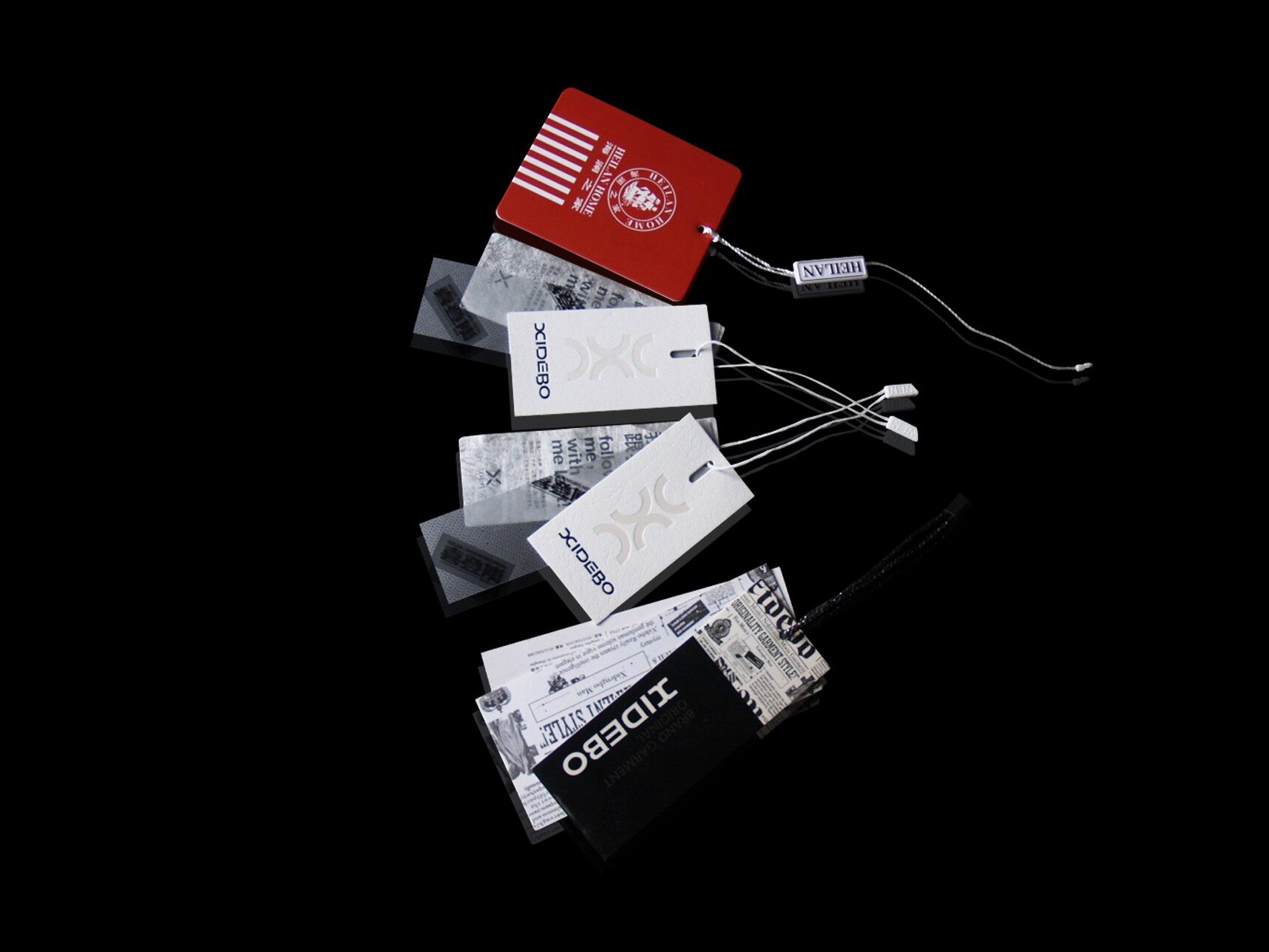
5 Hang Tag Design Mistakes That Are Quietly Hurting Your Brand
Hang tags are small. They're often the last thing brands think about when launching a new product line. But here's the truth: a poorly designed hang tag can cost you sales, dilute your brand, and make customers question your quality — before they even touch the product.
After 37 years of printing hang tags for fashion, jewelry, beauty, and home goods brands worldwide, we've seen every mistake in the book. These are the 5 most common hang tag design errors — and how to fix them.
Mistake #1: Too Much Information Crammed In
We get it — you want your hang tag to do everything: brand story, size chart, care instructions, materials, barcode, price, social media handles, website... the list goes on.
But here's what actually happens: customers glance at a dense, overcrowded tag for about 2 seconds, feel overwhelmed, and put the item back. Nothing gets read. Nothing gets remembered.
The Fix: Prioritize Ruthlessly
A great hang tag has one primary job. Decide what that job is and design everything else around it:
Branding focus: Logo front-and-center, minimal text on front, details on back
Information focus: Clear hierarchy with bold headings, plenty of white space
Price tag focus: Make the price readable from 3 feet away
Pro tip: If you truly need more space, use a folded hang tag or a multi-card set — don't try to squeeze it all onto one tiny rectangle.
Mistake #2: Choosing the Wrong Material
A $200 silk blouse with a flimsy 250gsm coated paper tag? It doesn't matter how good the shirt is — that cheap tag instantly lowers the perceived value.
Conversely, a $15 cotton tee with a thick leather hang tag and gold foil? Customers love the premium feel, but you're wasting money on material that doesn't match your price point.
The Fix: Match Material to Brand Positioning
Budget / Fast Fashion: 250-300gsm coated paper, single-sided printing. Cost-effective and perfectly acceptable.
Mid-Range Brands: 350-400gsm cardstock with matte lamination. Feels substantial without breaking the bank.
Premium / Luxury: 500gsm+ thick card, textured specialty paper, or recycled Kraft. Add foil stamping or embossing for maximum perceived value.
Outdoor / Workwear: Waterproof synthetic materials or Tyvek. Durability matters more than luxury.
Rule of thumb: your hang tag should represent about 1-3% of your product's retail value. Spend much more and you're wasting margin. Spend much less and you're under-selling your product.
Mistake #3: Forgetting About the Hole and String
You'd be shocked how many brands spend hours perfecting their design — then completely forget about the hole punch, the string, and how the tag actually attaches to the product.
A hole too close to the edge tears easily. The wrong string material clashes with your brand aesthetic. A cheap plastic fastener feels... cheap.
The Fix: Consider Attachment Early in Design
Hole placement: At least 5mm from any edge. Reinforce with a metal eyelet for thick or heavy tags.
String choice matters: Cotton cord = casual and natural. Satin ribbon = elegant and premium. Jute twine = rustic and eco-friendly. Metal ball chain = industrial and durable.
Fastener options: Plastic snap locks are cheap but look cheap. Knots and metal clasps feel more premium. Seal with wax for luxury products.
Size relative to product: A tiny charm on a delicate necklace? Mini tag, thin string. A heavy winter coat? Larger tag, substantial cord.
Mistake #4: Ignoring Readability and Hierarchy
We see this all the time: beautiful design, lovely colors, elegant fonts... and the customer can't actually read the important information because:
The text is too small (anything under 7pt is pushing it)
Light text on a busy background image
All text is the same size, so nothing stands out
Fancy script fonts used for body text instead of just headlines
If a customer has to squint to find the size, the price, or your brand name — they'll probably walk away.
The Fix: Test for 3-Second Clarity
Print your design at actual size, hold it at arm's length for 3 seconds, then put it down. Can you answer these questions?
What brand is this?
What's the size and price?
What's the one key message?
If not, you need to simplify and establish a clearer visual hierarchy. Use at least 3 distinct text sizes: large (brand/headline), medium (key info), small (details).
Mistake #5: Being Forgettable
The worst hang tag sin of all? Being completely unremarkable. A generic white rectangle with a logo, barcode, and care instructions. Customers glance at it, forget it, and never think about your brand again.
Great hang tags do more than convey information — they create a moment of delight. They make customers pause, smile, and think "this brand gets it."
The Fix: Add One "Wow" Element
You don't need a huge budget to make a memorable hang tag. Pick one special touch:
Die-cut shape: A tag shaped like your logo, a leaf, a heart, or your product. Instantly recognizable.
Foil stamping: A single foil-stamped line or logo adds instant luxury for very little cost.
Backside surprise: Front is clean and minimal — but flip it over and there's a handwritten-style thank you note, a discount code, or a fun illustration.
Interactive element: A tear-off discount coupon, a QR code that links to styling tips, or a seed-paper tag you can plant.
Scent: Scented ink or a scented string. Unforgettable, and perfect for beauty or candle brands.
Dual purpose: A hang tag that doubles as a bookmark, a sticker, a measuring tape, or a mini zine. People keep them.
Bonus Mistake: Proofreading Fail
We couldn't write a post about hang tag mistakes without mentioning this one. Typos, wrong sizes, misaligned barcodes, outdated website URLs — we've seen all of it go to print because nobody did a final proofread.
The fix: Always have at least two people proofread the final design. Print a physical sample and check it in person — errors you miss on screen jump off a physical tag.
Ready to Upgrade Your Hang Tags?
Hang tags might be small, but their impact on your brand is huge. Avoid these 5 common mistakes and you'll have tags that don't just label your products — they sell them.
At Aorai Pack, we've printed millions of hang tags for brands of all sizes, from emerging designers to global retail chains. Our in-house design team can help you avoid these pitfalls and create hang tags that elevate your brand.
Get in touch for a free hang tag design review and quote. We'll tell you what's working, what's not, and exactly how to make your tags work harder for your brand.